From usability fix to product engine: two years of ownership
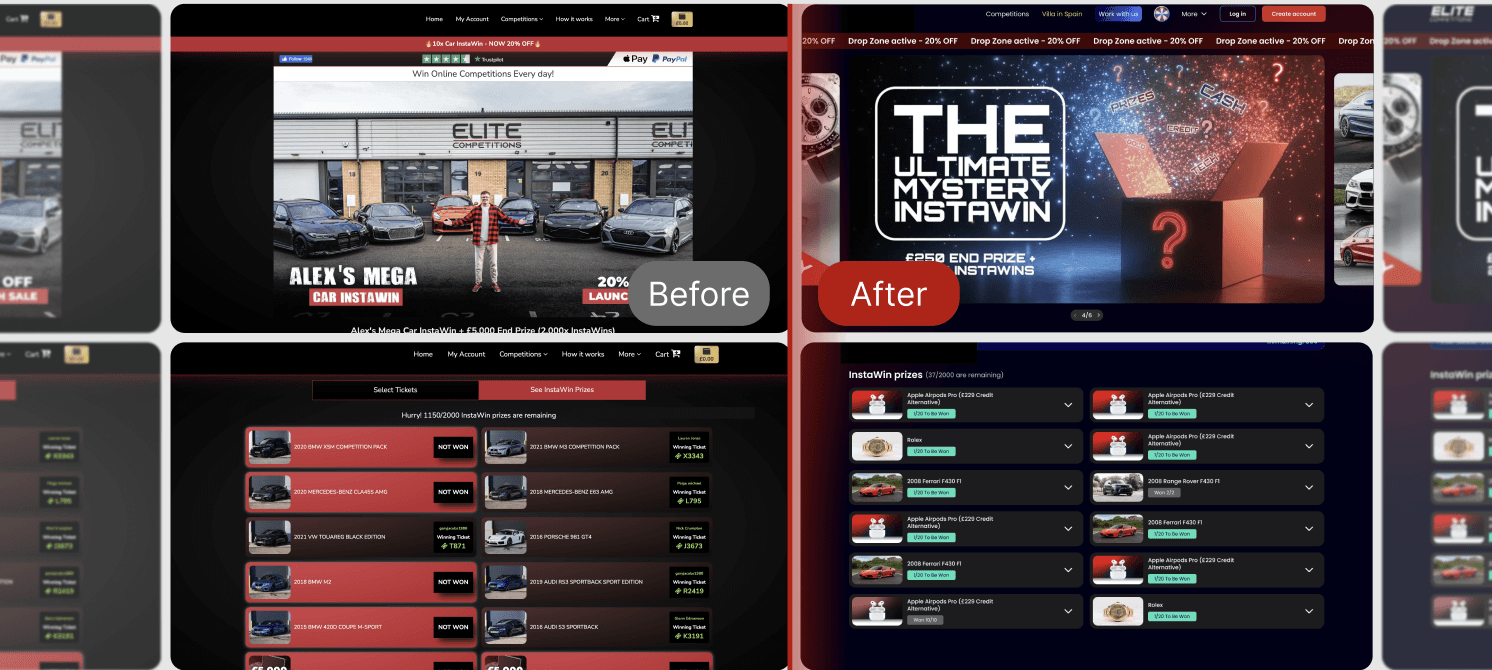
I joined to redesign a struggling lottery platform. Over two years I ended up owning the entire product experience - defining the feature roadmap, leading research, and shipping the subscription system that became the platform's primary growth lever.
My Role
Lead UX/Product Designer (sole designer)
Team
1 PM, 1 BA, 4 devs, 1 QA, 1 DevOps
Duration
2 years / ongoing at handoff
+100K
New users within 3 months of redesign
2x
Client revenue after post-MVP phase
17%
Drop in bounce rate after mobile UX fix
20%
Increase in competition entries
Problem
A platform with real users but a broken experience
The client had an existing UK lottery platform with a growing user base — but retention was poor and conversion was erratic. Users couldn't find competitions, couldn't compare them, and dropped off before completing purchases. The mobile experience was especially inconsistent.
The team was small and the development capacity was limited. This wasn't a greenfield project with a blank budget — it was a constraint-driven environment where every design decision had to be sequenced carefully and justified to the business.
MY STRATEGIC READ
"The product didn't have a design problem — it had a trust problem. Users couldn't see what they were entering, couldn't compare competitions easily, and couldn't tell if the platform was legitimate. We needed credibility before we needed features."
PHASE 1
MVP — Stabilize and trust-build
Heuristic evaluation, navigation overhaul, competition discoverability, mobile consistency. Small dev team, high-impact-only changes. A/B tested every significant change before rollout.
Phase 2
Post-MVP — Research-led feature expansion
12 user interviews across two groups (MVP users + post-MVP). Informed the order bump structure, exclusive offers logic, and the checkout cross-sell approach.
PHASE 1
MVP — Stabilize and trust-build
Heuristic evaluation, navigation overhaul, competition discoverability, mobile consistency. Small dev team, high-impact-only changes. A/B tested every significant change before rollout.
Phase 2
Post-MVP — Research-led feature expansion
12 user interviews across two groups (MVP users + post-MVP). Informed the order bump structure, exclusive offers logic, and the checkout cross-sell approach.
RESEARCH
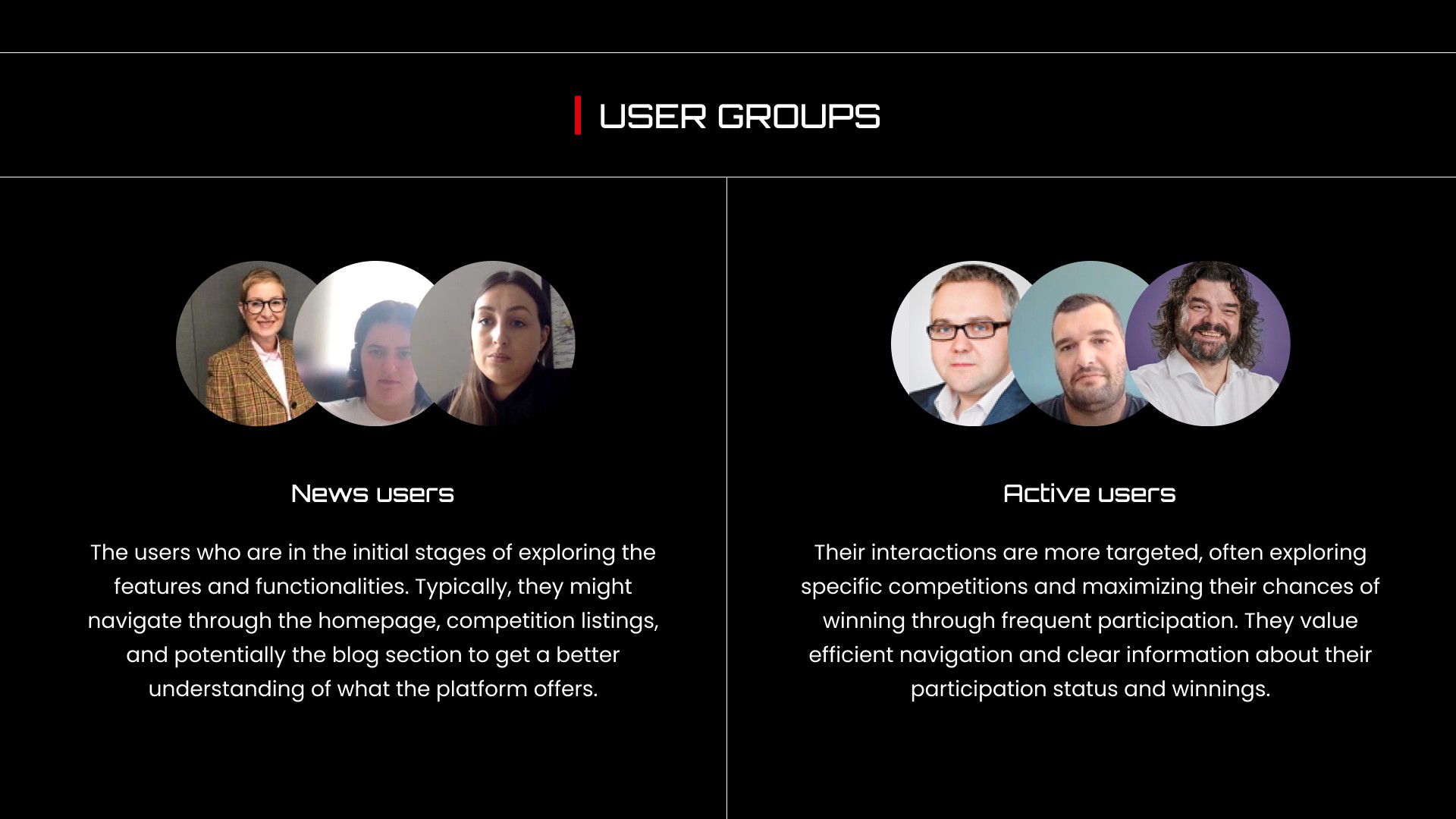
12 interviews, two user groups, clear findings
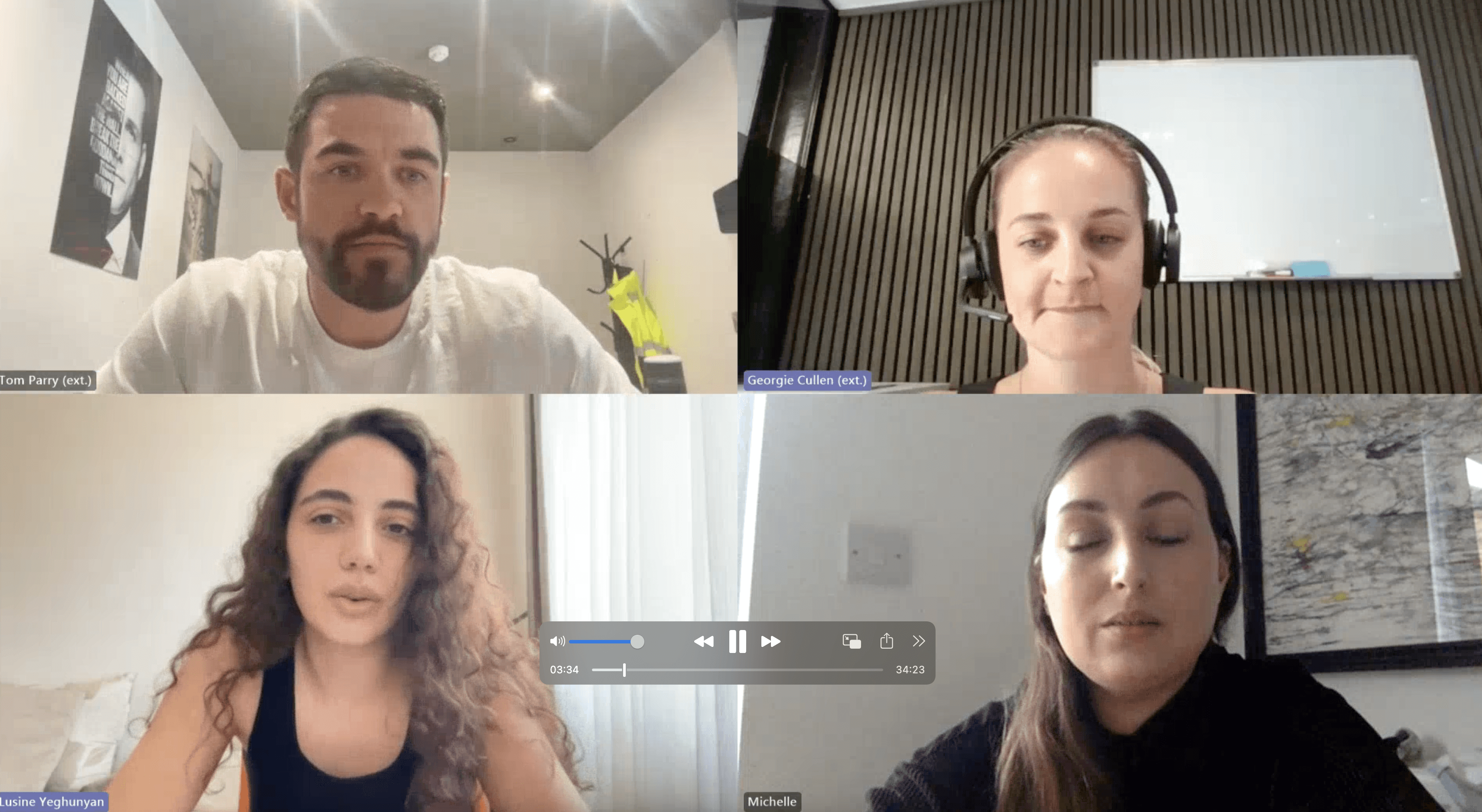
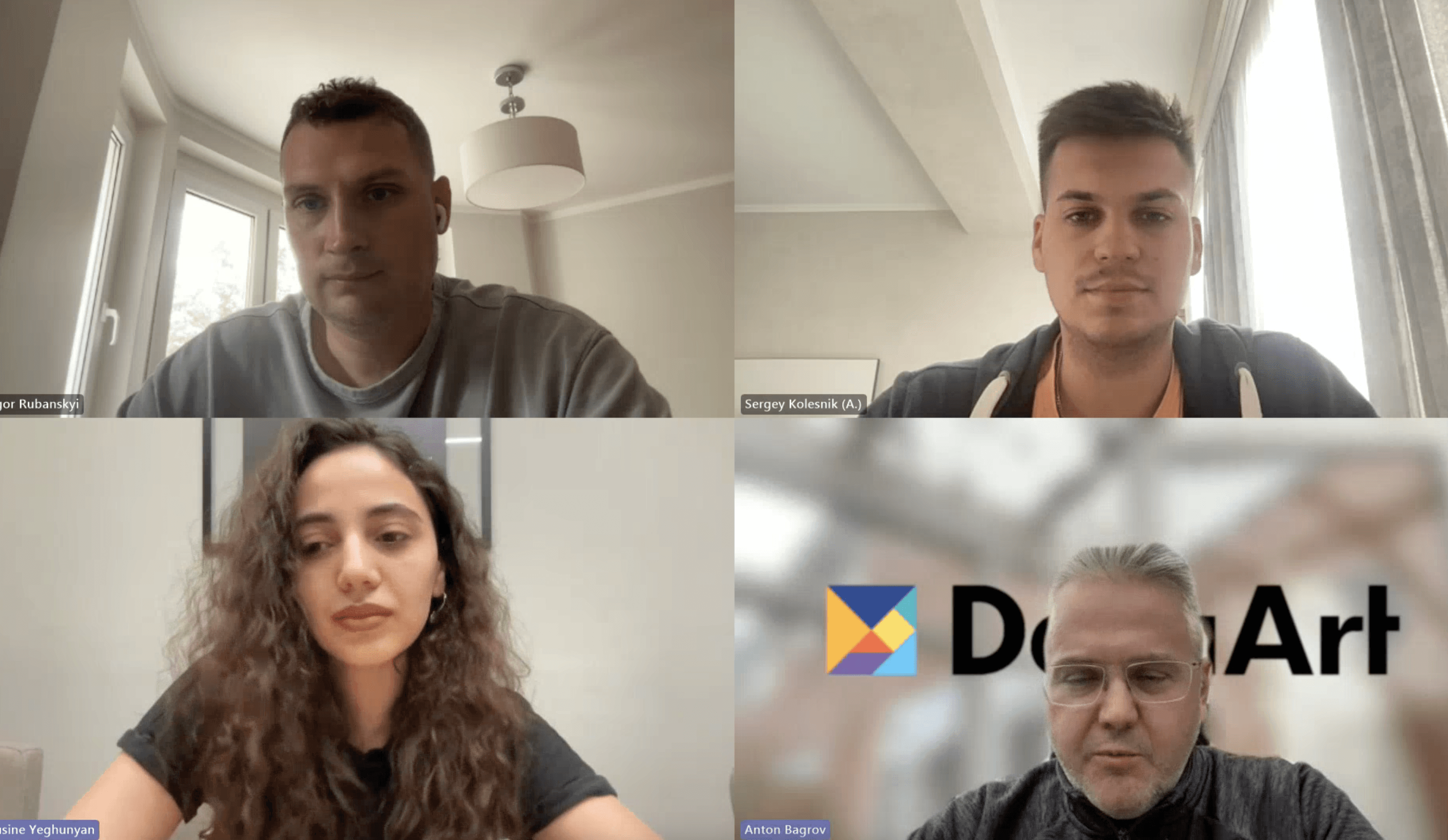
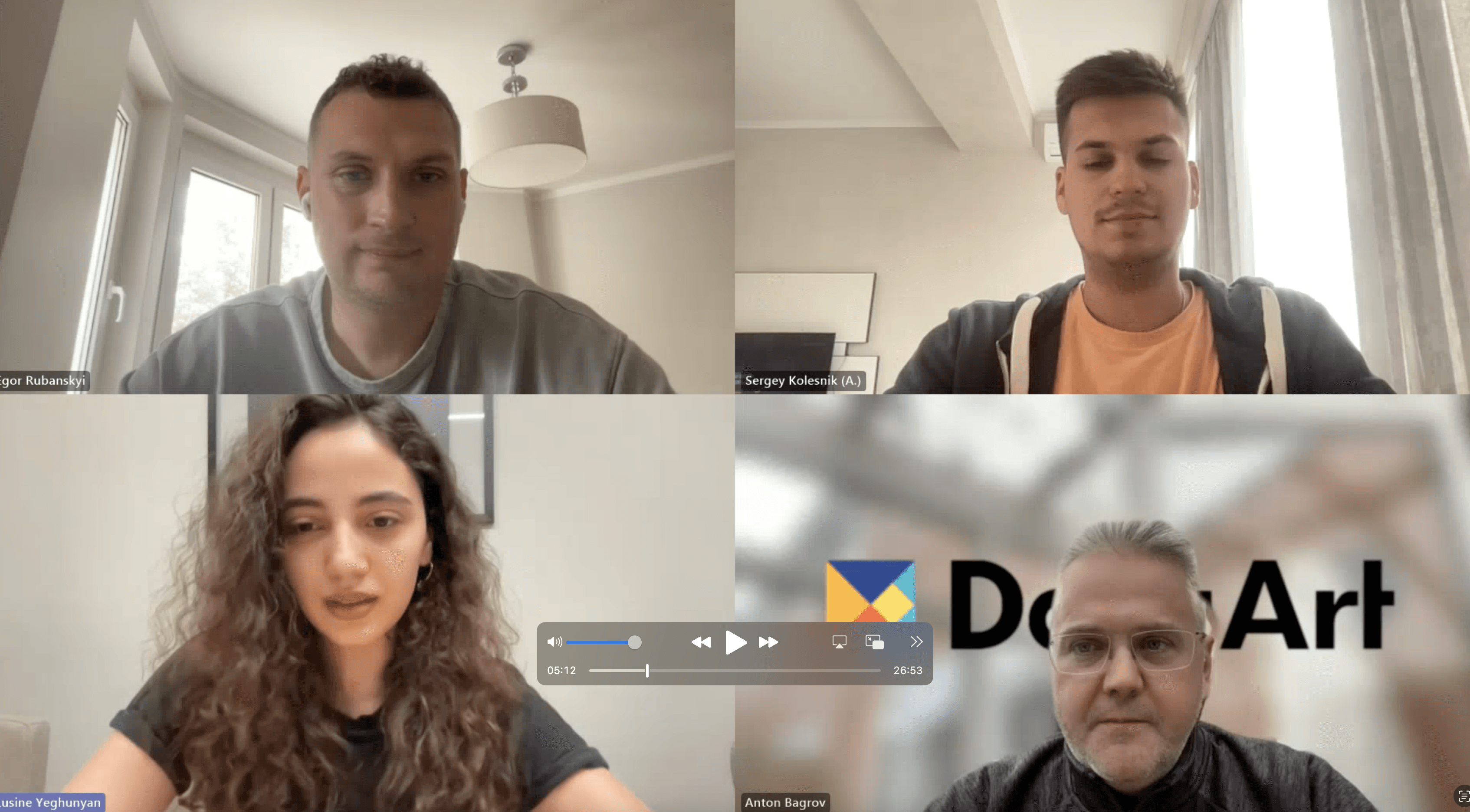
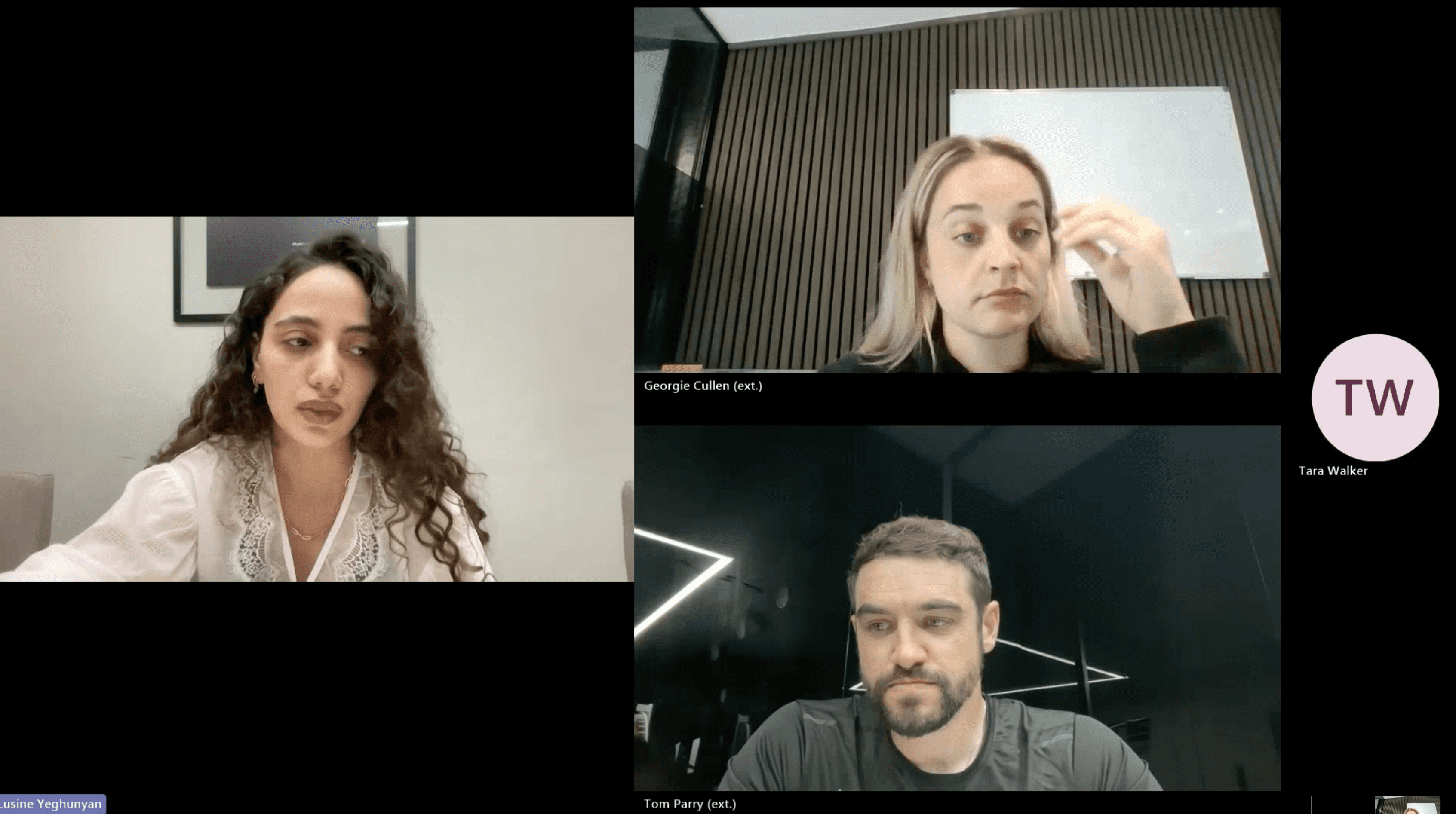
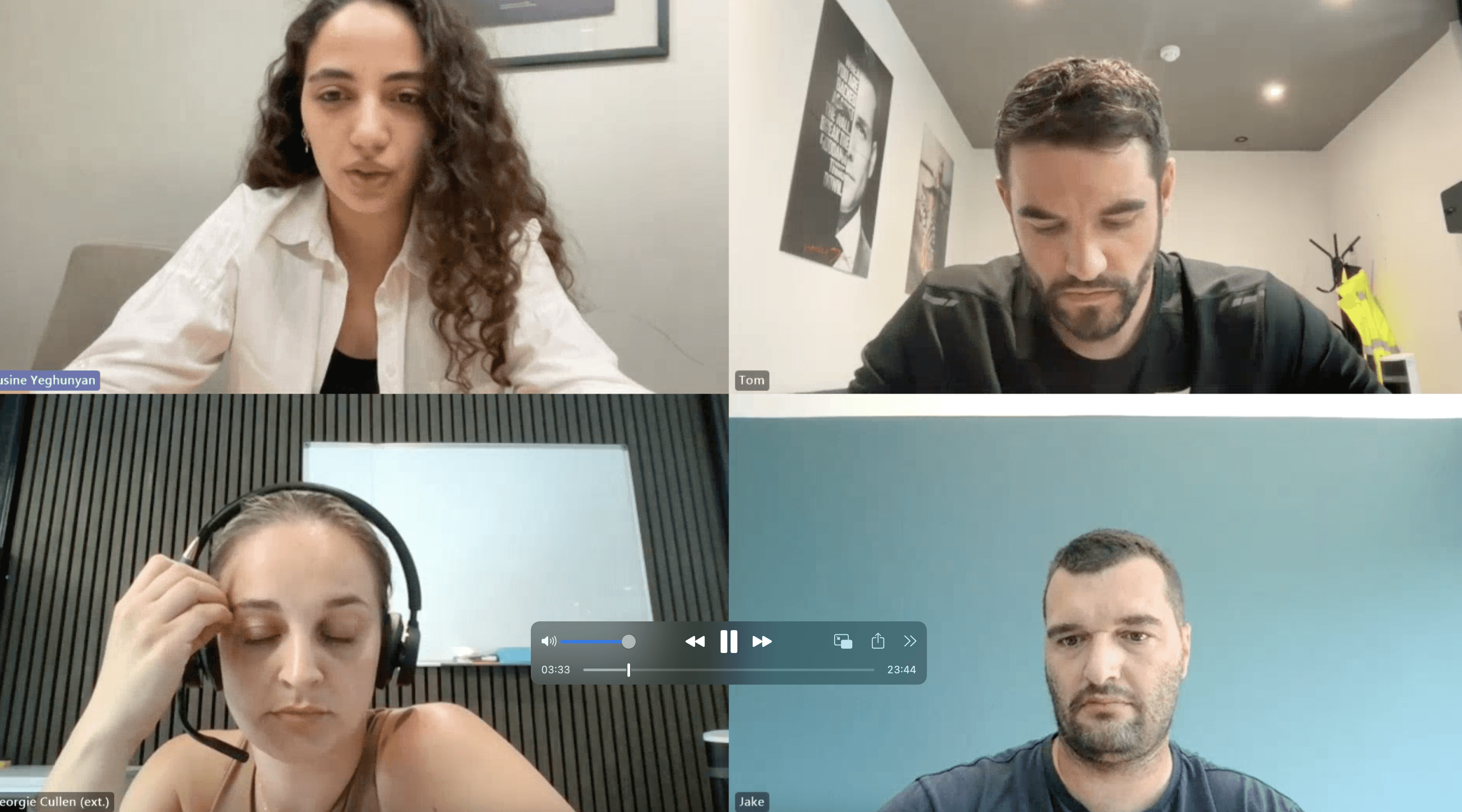
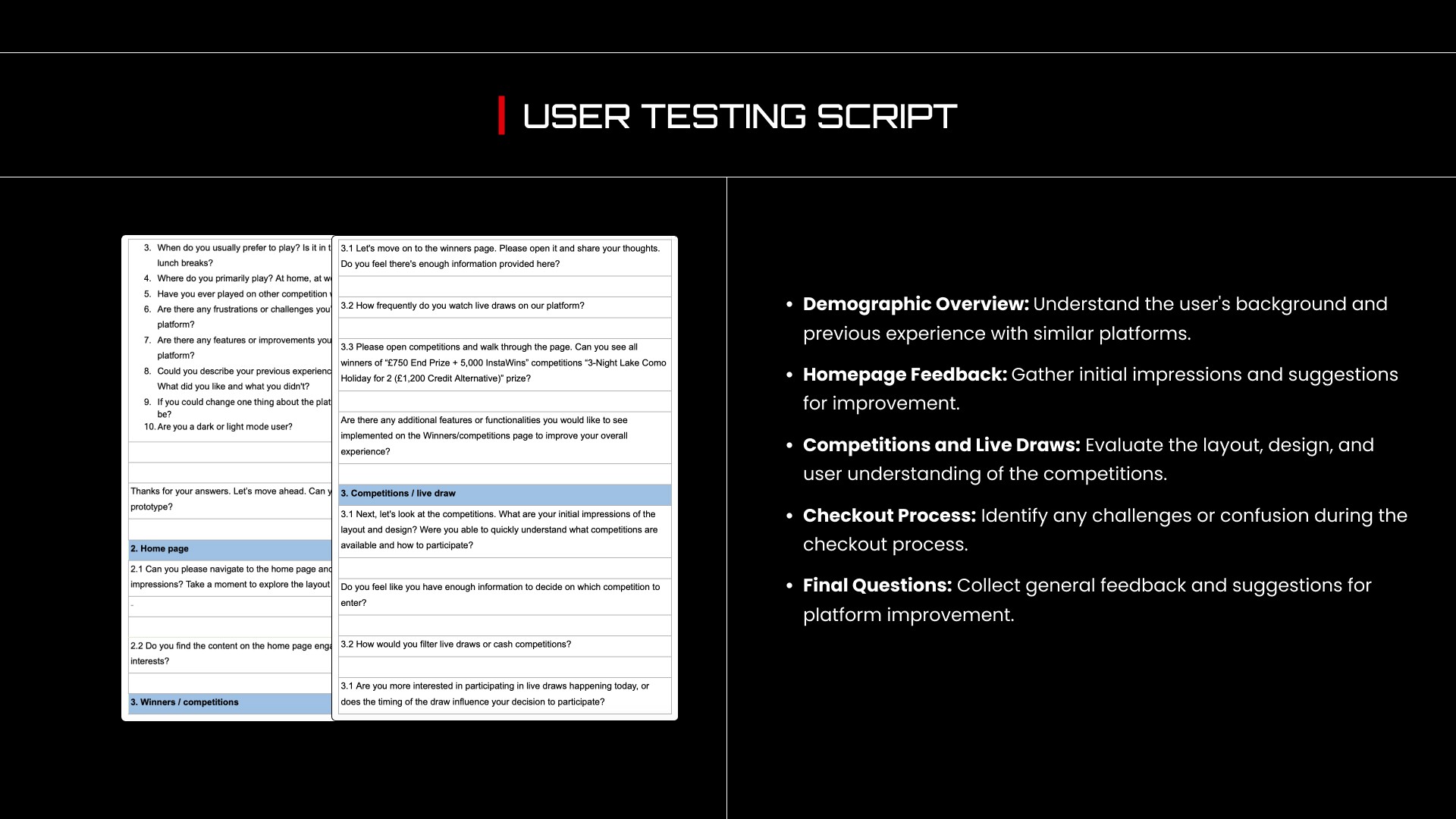
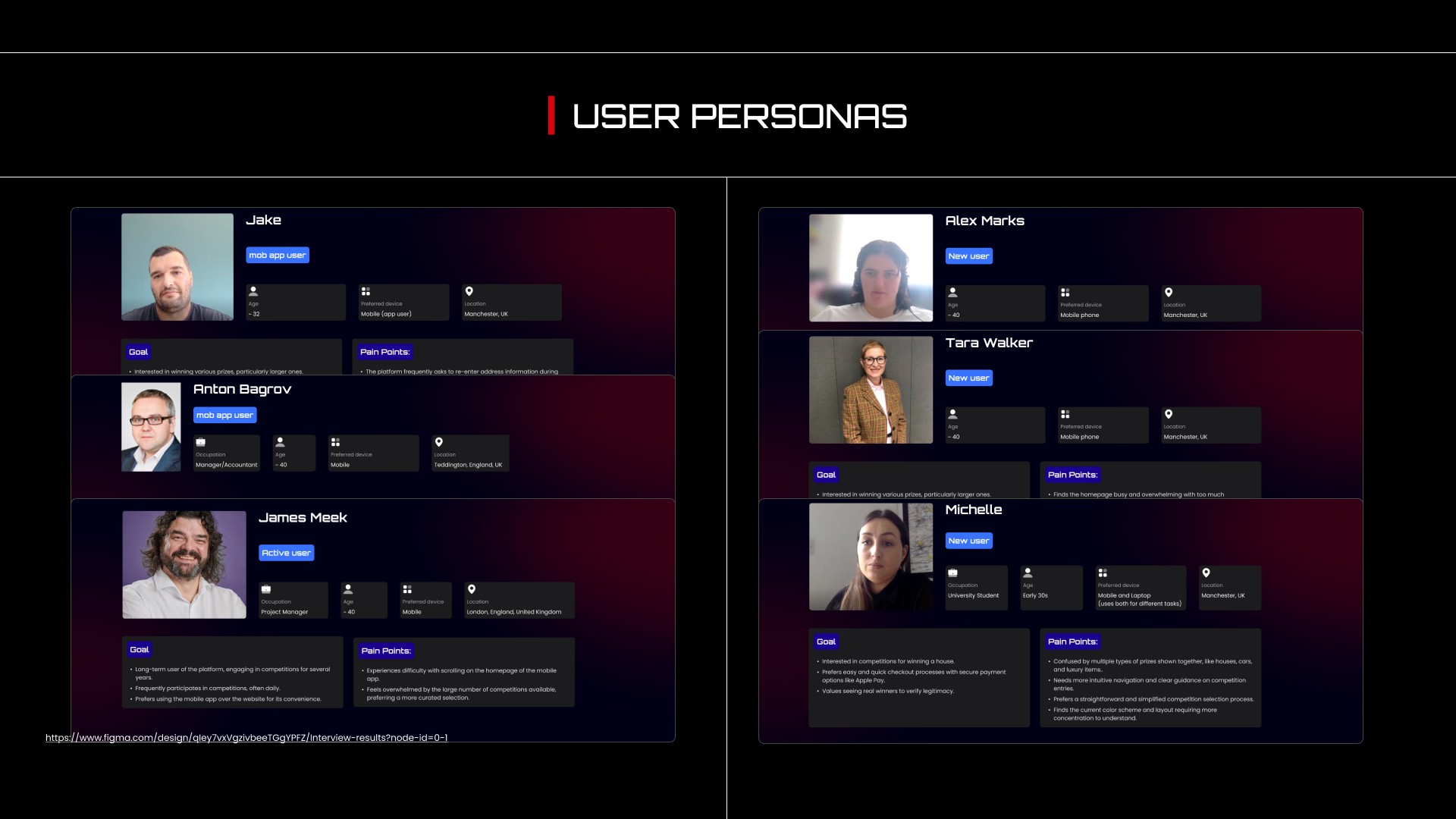
I ran structured interviews across two cohorts: users who had used the MVP and users who joined post-MVP. The goal was to understand what was working before adding more features — a deliberate sequencing choice to avoid building on a shaky foundation.
The competitor analysis wasn't a formal audit — I conducted a qualitative review of how comparable platforms handled discovery, pricing transparency, and checkout flow. The goal was directional signals, not a feature checklist. This informed the real-time winner display and countdown timer decisions.
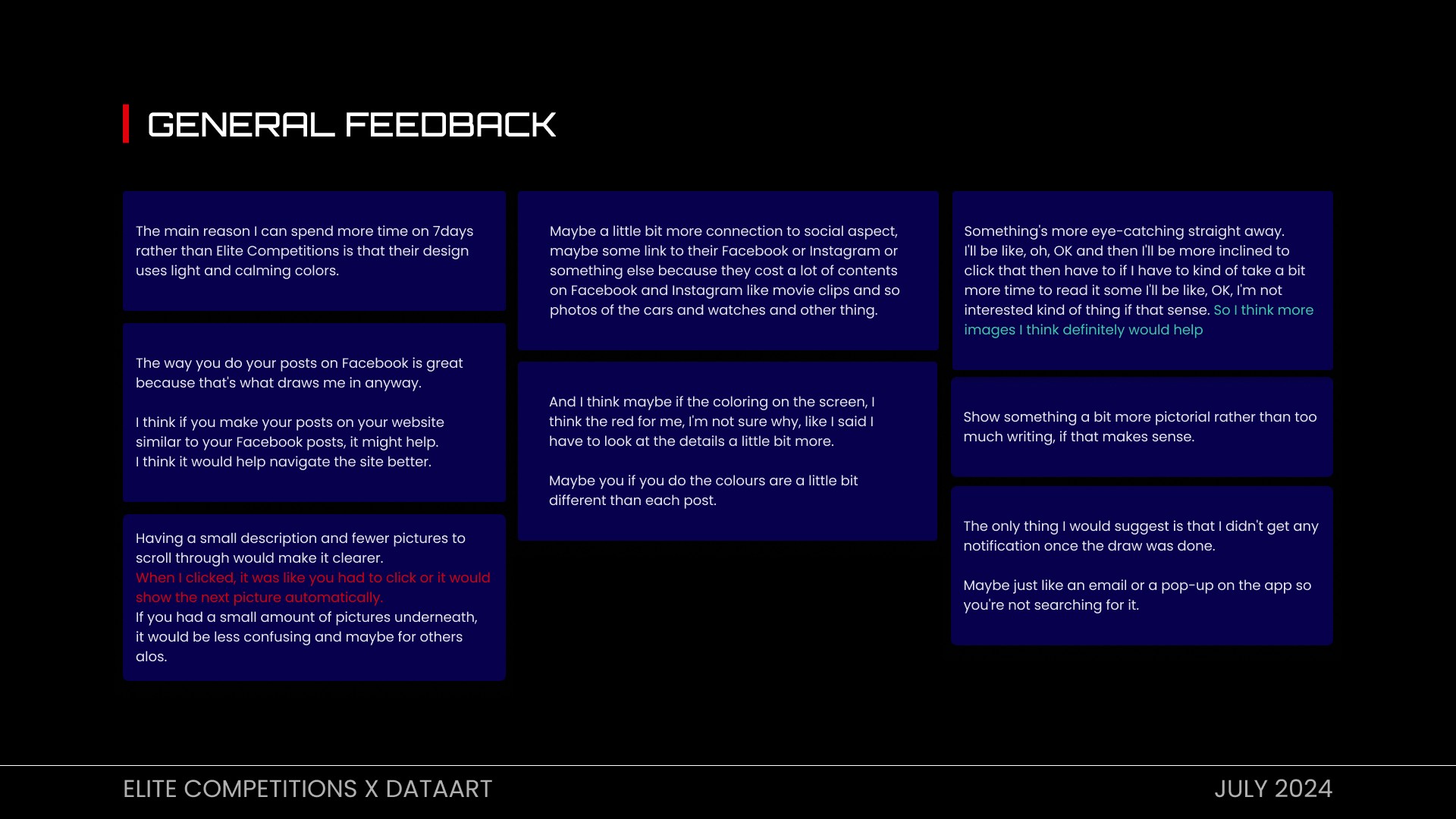
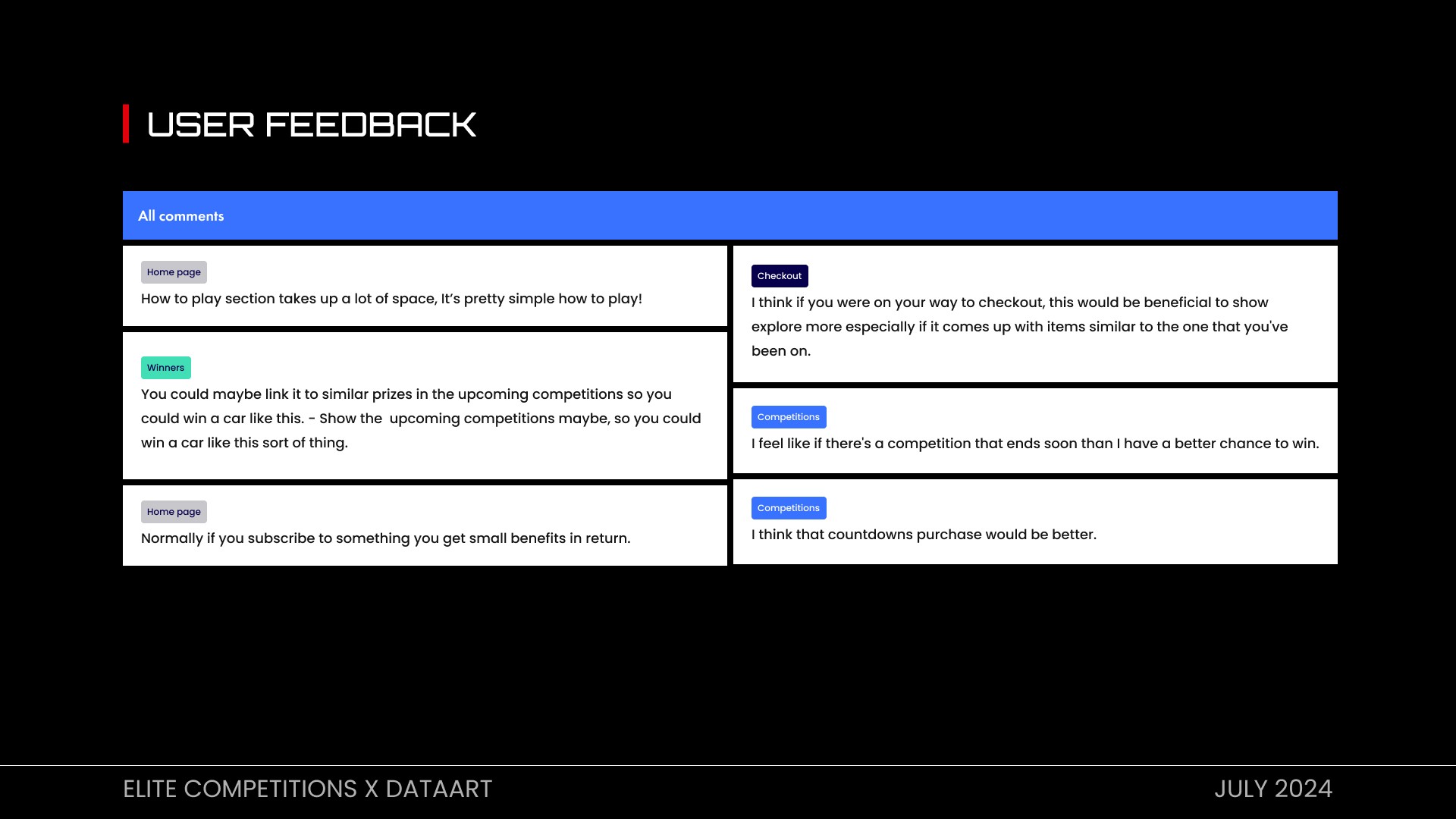
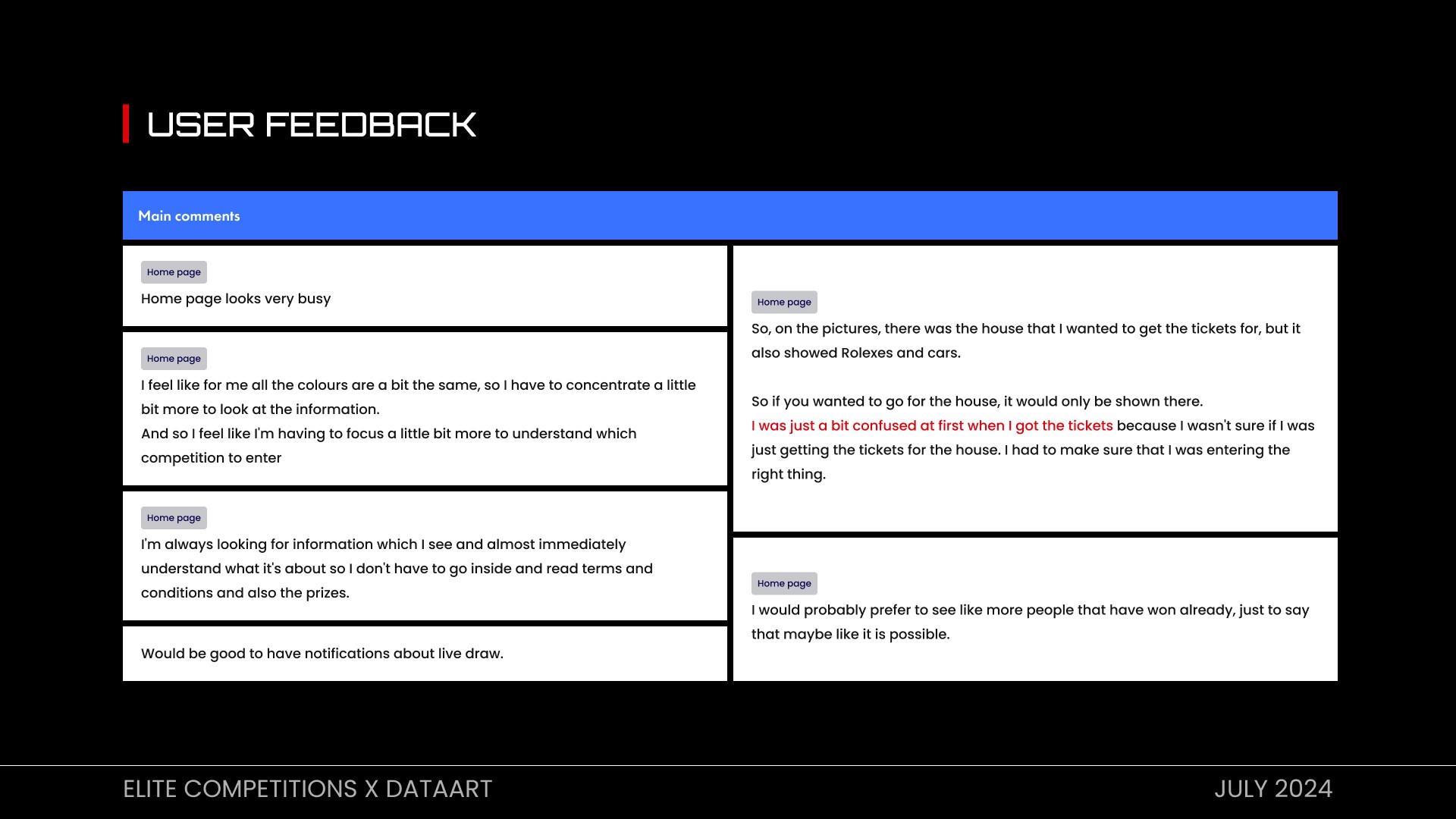
Key findings that shaped the roadmap
Users struggled to compare or filter competitions easily. Trust dropped when they couldn't see "who else is playing." Many wanted to continue browsing after checkout - the flow was cutting them off at the moment of highest engagement.
Problem
A platform with real users but a broken experience
The client had an existing UK lottery platform with a growing user base — but retention was poor and conversion was erratic. Users couldn't find competitions, couldn't compare them, and dropped off before completing purchases. The mobile experience was especially inconsistent.
Outcome
Recognition, results, and a platform that kept growing
The redesign delivered +100K users within 3 months, a 15% bounce rate reduction, and a 20% lift in competition entries. Post-MVP, the client doubled their revenue — a result they directly attributed to the design and product changes made during Phase 2.
The team received a formal recognition letter from the client. More meaningfully, the platform moved from a reactive "fix what's broken" mode to a proactive product roadmap — something I pushed for and helped define.